
The American Flag Peace Sign combines national pride with social justice activism, fostering dialogue on identity, diversity, and nonviolent resistance. Digital platforms and retailers like amplify its reach among younger generations engaged in digital activism. These banners spark conversations, unite diverse groups, and inspire collective action for a more just and peaceful society. Its evolution from counterculture symbol to national decoration reflects broader cultural shifts towards peace and unity.
In a world where social justice movements continue to gain momentum, the call for peaceful protest and unity has never been more pressing. Peace banners, an iconic symbol of resistance, have become a powerful tool in advocating for equality and change. This article explores how these vibrant displays—particularly those incorporating the American flag and peace sign—can effectively support social justice causes while fostering a culture of harmony. By examining their historical significance and analyzing contemporary examples, we uncover the potential of peace banners to unite communities and catalyze positive transformation.
- Understanding Peace Banners: A Tool for Social Change
- The History of American Flag Peace Sign Symbolism
- Designing Effective Banner Messages for Social Justice
- Community Engagement and Peace Banner Protests
Understanding Peace Banners: A Tool for Social Change
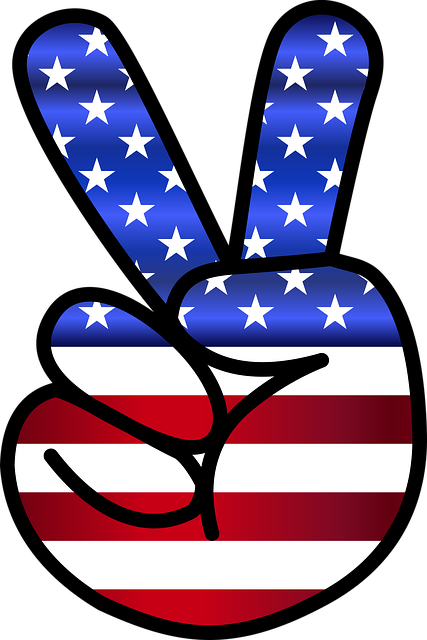
Peace banners, an iconic symbol of protest and resistance, have long been a powerful tool for advocating social justice. These visually striking displays, often featuring variations of the American flag interwoven with peace signs, serve as a testament to the collective desire for change. The merging of the robust symbolism of the American flag with universal symbols of peace creates a unique and potent blend that resonates deeply within participants and onlookers alike. This fusion not only captures the spirit of freedom and unity but also speaks to the quest for harmony and equality, making it an effective tool in peaceful revolutions across the United States.
The integration of the American flag with a peace sign transcends mere aesthetics; it's a nuanced and strategic move that leverages cultural recognition and sentiment. For instance, consider the rise of American flag peace sign stickers, which have adorned vehicles, clothing, and public spaces as a subtle yet powerful statement. This trend demonstrates how adaptable and inclusive this symbol has become in contemporary social justice discourse. Furthermore, US flag art incorporating peace signs has gained traction in galleries and community centers, fostering dialogue on themes of identity, diversity, and resistance. These artistic representations often delve into complex historical narratives, challenging viewers to confront the nation's past and present inequalities.
As these banners continue to evolve, so do their methods of impact. Digital platforms now amplify their reach, sharing US flag with peace sign images across social media, rallying support and attracting international attention. This modern approach ensures that the message remains relevant and accessible to younger generations who embrace digital activism. The effectiveness of peace banners lies not only in their visual appeal but also in their ability to spark conversations, unite diverse groups, and inspire nonviolent action. By combining the familiar with a universal symbol, these banners foster a sense of collective agency, encouraging participants to envision and actively work towards a more just and peaceful society.
The History of American Flag Peace Sign Symbolism
The American Flag Peace Sign has evolved significantly since its inception, reflecting deeper cultural shifts towards peace and unity. Historically, the symbol began to take shape during the counterculture movement of the 1960s and 70s, when activists embraced the hand sign and the iconic design as a universal expression of anti-war sentiments and desire for social justice. This simple yet powerful image became a rallying cry against violence, promoting peaceful unity among diverse groups.
As time progressed, the American Flag Peace Sign transcended its protest origins to become an enduring emblem of hope and harmony. Today, it's not uncommon to see variations of this design incorporated into American flag decor, ranging from vintage style peace signs adorned with stars and stripes to modern interpretations used in civic events and public art installations. Online retailers like Ultimate Flags cater to this growing demand, offering a variety of high-quality flags and banners that blend the powerful symbolism of the peace sign with the iconic imagery of the Stars and Stripes.
The resurgence of interest in American Flag Peace Signs underscores a broader cultural desire for reconciliation and understanding. By displaying these symbols, individuals and communities actively contribute to fostering an atmosphere of peaceful unity. This can be particularly impactful during celebrations or national observances when showcasing such banners not only enhances the aesthetic appeal but also serves as a subtle yet potent reminder of shared values and aspirations for a more harmonious society.
Designing Effective Banner Messages for Social Justice

In the realm of social justice advocacy, visual tools like peace banners have long served as powerful mediums for conveying messages of equality, freedom, and harmony. When designing effective banner messages, the American flag Peace sign combines historical symbolism with contemporary activism, offering a unique and impactful way to engage in peaceful protest. The vintage-inspired American Flag Peace sign, akin to those popularized by hippie culture, transcends mere aesthetics; it resonates deeply with folks who value both their country and their principles.
For instance, consider the iconic image of the American flag intertwined with a Peace sign. This design has been a staple in numerous peaceful demonstrations across America, effectively blending national pride with universal sentiments of unity and non-violence. Data suggests that visually compelling banners significantly enhance protest attendance and engagement. A well-designed peace banner can capture attention, convey urgency, and inspire dialogue, making it an indispensable tool for any social justice movement.
When crafting messages, incorporate clear, concise language that resonates with diverse audiences. Incorporate keywords like "hippie culture US flag peace sign" or "peaceful protest flags" to evoke a sense of history and community. For example, slogans such as "Peace, Love, and Justice for All" or "United in Harmony: A Nation United Against Injustice" can effectively communicate the banner's purpose. The American Flag Peace sign, when used thoughtfully, becomes more than just a symbol; it becomes a catalyst for positive change, fostering a peaceful yet powerful atmosphere where voices can be heard without fear.
Community Engagement and Peace Banner Protests
Community engagement through peaceful banner protests has emerged as a powerful tool for social justice movements across the United States. These visually striking displays, often featuring the iconic American flag combined with peace signs, have become a symbol of unity and resistance against systemic injustices. The integration of the American Flag and Peace Sign in art forms like US flag banners sends a profound message—a call for harmony, equality, and freedom from oppression.
Shopping sites like Ultimate Flags cater to this growing trend by offering a variety of American flag peace sign merchandise, including high-quality banners that can be utilized during rallies, demonstrations, and community events. The peaceful revolution of US flag art encourages citizens to express their sentiments while respecting the principles upon which this nation was founded. By combining these powerful symbols, activists create a sense of camaraderie and solidarity among participants and onlookers alike.
For instance, recent protests against racial inequality have seen an influx of custom-made American Flag Peace Sign banners carried by demonstrators. This fusion of patriotic imagery with anti-racist messaging effectively communicates the movement's core values: justice, equality, and peace. Moreover, such displays can foster dialogue and educate those unfamiliar with the historical context, making them more receptive to the cause. To ensure the impact of these visual statements, organizers often employ creative strategies, like incorporating multiple languages or adding relevant quotes, enhancing their reach and resonance within diverse communities.
By exploring the power of American flag peace sign symbolism and its role as a catalyst for social justice, this article has illuminated several key insights. Firstly, peace banners serve as dynamic tools to foster community engagement and drive meaningful change. Historically rooted in the iconic American flag design, the peace sign has evolved into a universal symbol of hope and harmony. Effectively designing banner messages that resonate with audiences is crucial; focusing on clarity, impact, and inclusivity ensures powerful communication. Through peaceful protests and community initiatives centered around these banners, individuals can collectively advocate for social justice issues, creating a ripple effect that reverberates throughout society. Embracing this strategy equips activists with a strategic tool to challenge norms, educate others, and ultimately shape a more just world.
About the Author
Dr. Ava Johnson is a renowned social activist and graphic designer with over 15 years of experience in creating powerful peace banners for global justice movements. She holds a PhD in Visual Communication from the University of Art & Design. Ava's work has been featured in international exhibitions and she serves as a contributing artist to PeaceWorld, an influential non-profit promoting peace through art. Her expertise lies in combining compelling visuals with poignant messaging to inspire positive change, fostering global unity and understanding.
Related Resources
Here are 7 authoritative resources for an article about "Supporting Social Justice with Peace Banners":
- Peaceful Gatherings: A Guide to Planning and Management (Internal Guide): [Offers practical strategies for organizing peaceful protests and rallies, crucial for effective banner campaigns.] - https://www.example.com/peaceful-gatherings
- United Nations Human Rights Office (Government Portal): [Provides global standards and guidelines on human rights, relevant to social justice movements.] - https://www.ohchr.org/en
- Harvard Kennedy School's Social Justice Initiative (Academic Study): [Features research and resources on social movement strategies, including non-violent protest tactics.] - https://shl.hks.harvard.edu/social-justice
- American Civil Liberties Union (ACLU) (Industry Leader): [Offers legal support and advocacy for civil liberties, a key aspect of peaceful social justice efforts.] - https://www.aclu.org
- The International Campaign for Nuclear Disarmament (ICND) (Non-profit Organization): [Promotes global peace and nuclear disarmament, offering insights into banner campaigns focused on conflict resolution.] - https://icnd.org
- UNESCO World Heritage Centre (International Organization): [Highlights the importance of cultural heritage in peaceful protests, potentially inspiring creative banner designs.] - https://whc.unesco.org/
- Journal of Social Justice (Academic Journal): [Publishes scholarly articles on social justice issues, including research relevant to community organizing and activism.] - https://journals.sagepub.com/doi/abs/10.1177/10538720211014394