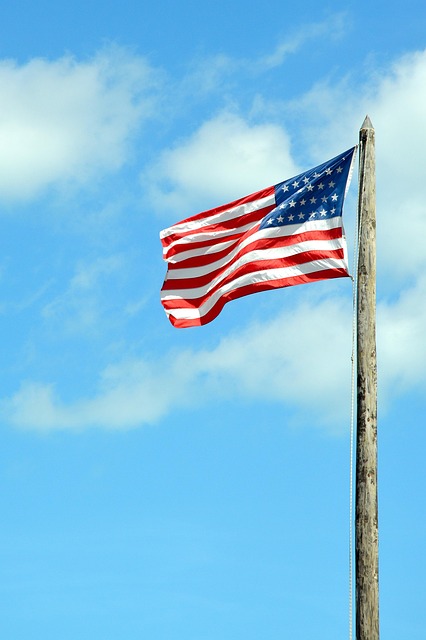
The American Flag Peace Sign, a symbol blending patriotism and peace, originated from the 1960s counterculture movement, gaining global recognition. It promotes non-violent resistance, civil rights, and environmental causes while honoring national heritage. Individuals can express their love for the country by purchasing or creating merchandise featuring this symbol, fostering conversations about peace and America's values. However, displaying the American Flag Peace Sign requires careful consideration, as regulations around the flag's use in merchandise may apply, and context is crucial to avoid legal issues.
Expressing love for our country has evolved, especially with the iconic American flag peace sign. This symbol, a blend of national pride and universal peace, reflects a desire for harmony within our diverse communities. However, navigating this expression can be challenging, as we strive to honor our heritage while conveying a message of unity and non-violence. This article delves into the significance of the American flag peace sign, exploring its historical context, various interpretations, and its role in fostering national unity. We will offer practical insights for individuals seeking to express their love for country responsibly and peacefully.
- Understanding the Symbolism: Peace Sign Meets American Flag
- Historical Context: The Peace Sign's Journey and Evolution
- Expressing Patriotism: Creative Ways to Combine Love and Peace
- Legal Perspective: Is Displaying a Peace Sign on National Symbols Legal?
Understanding the Symbolism: Peace Sign Meets American Flag
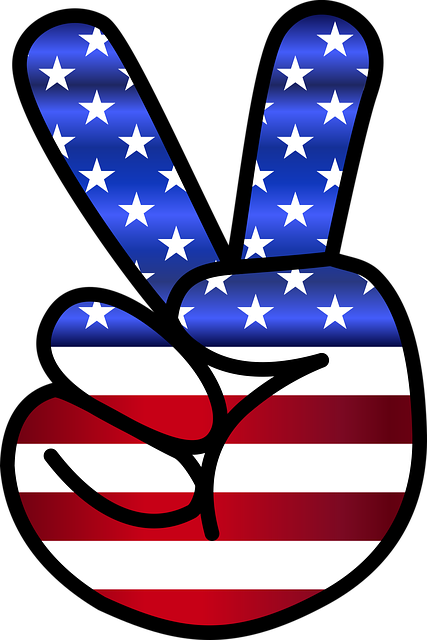
The American Flag Peace Sign serves as a powerful statement of love and loyalty to one's country, seamlessly blending symbolism from two iconic symbols—the American flag and the universal peace sign. This unique fusion carries profound meanings, especially for those who seek creative ways to express their patriotism. By combining the red, white, and blue hues with the globally recognized hand gesture, individuals can convey a message of harmony, unity, and peaceful devotion to their nation.
When considering an American flag peace sign tattoo or other similar merchandise, platforms like Ultimate Flags offer a diverse range of options. From high-quality flags to intricately designed apparel, these sites cater to those looking to proudly display their affection for their country in public. For instance, custom designs allow individuals to personalize the size, color scheme, and even add a touch of creativity with specific motifs or slogans. This level of customization ensures that each piece becomes an extension of its wearer's identity, reflecting their unique bond with America.
Beyond mere aesthetics, the American flag peace sign carries historical significance. It has been used in various social movements throughout history, symbolizing non-violent resistance and a desire for unity among diverse groups. Today, its popularity persists as a way to express support for causes such as peace initiatives, civil rights, or environmental conservation—all while paying homage to one's heritage. By adopting this symbol, individuals contribute to a broader conversation about national identity, freedom, and the enduring values that define America.
Historical Context: The Peace Sign's Journey and Evolution

The iconic peace sign, a universal symbol of peace and harmony, has an intriguing historical journey intertwined with the spirit of rebellion and love for one's country—a testament to the power of nonviolent expression in the United States. Its evolution from a simple hand gesture to a widespread cultural phenomenon is deeply rooted in the 1960s hippie culture, where it became a pivotal element of anti-war protests and a beacon of hope for a peaceful revolution.
In the context of American history, the peace sign emerged as a powerful counterpoint to the turbulent political climate of the era. The US flag, typically associated with patriotism and freedom, was transformed into a canvas for this symbol when it was creatively incorporated into various forms of art, including posters and hand gestures. The hippie movement, known for its embrace of love, peace, and unity, adopted the sign as their signature emblem, often combining it with the vibrant colors and designs of the American flag. This fusion of national pride and peaceful activism is a unique aspect of US cultural history. For instance, iconic images from the era depict demonstrators holding up American flag peace signs during protests against the Vietnam War, symbolizing their desire for a more just and harmonious world.
Over time, the peace sign's influence spread far beyond the confines of counterculture movements. It transcended its original meaning, becoming a universal symbol recognized globally. Today, you can find variations of this design on merchandise, from t-shirts to wall art, with the American flag as its backdrop, reminding us of the enduring spirit of peaceful protest and love for our country. This evolution demonstrates how creative expressions of peace can resonate across generations, fostering a sense of unity and understanding. As a result, it has become an accessible way to promote positive change and foster conversations about peace and love in contemporary American culture.
Expressing Patriotism: Creative Ways to Combine Love and Peace
Expressing love for one's country can take many forms, and one of the most powerful yet simple ways to convey this sentiment is through the iconic American Flag Peace Sign. This unique fusion of patriotism and peace has evolved over time, becoming a symbol of unity, hope, and resistance. The American flag, a universally recognized emblem, combined with the universal sign of peace, creates a poignant blend that speaks volumes without saying a word.
The history of the peace symbol is well-documented, but its integration with the American Flag has taken on unique cultural significance. From its beginnings as a counterculture symbol in the 1960s to its more recent appearances at peaceful protests and political rallies, the American Flag Peace Sign has become a versatile tool for artistic expression and social commentary. For instance, artists have created stunning pieces featuring the flag and peace sign, transforming them into vibrant murals that adorn city walls, inspiring dialogue about social justice and harmony. This fusion art form allows individuals to connect with their country on a deeper level while promoting positive change.
Practical advice for those eager to embrace this creative expression includes exploring unique American Flag Peace Sign merchandise, such as t-shirts, pins, and accessories. These items offer an accessible way to wear one's patriotism and peace message proudly. Alternatively, consider creating your own art featuring the flag and peace sign. From painting to sewing, there are countless ways to incorporate these symbols into personal projects. For example, a simple embroidered American Flag Peace Sign on a hat or t-shirt can spark conversations and showcase a thoughtful, individualistic expression of love for one's country. By embracing this creative approach, individuals can contribute to a peaceful narrative while celebrating their national identity.
Legal Perspective: Is Displaying a Peace Sign on National Symbols Legal?
Displaying a peace sign alongside the American flag has been a topic of debate, particularly from a legal standpoint. While the First Amendment guarantees freedom of expression, incorporating political symbols like the peace sign on national emblems is subject to specific regulations and interpretations. The issue arises when considering the appropriate context for such displays; merely adding a peace sign to the flag can be seen as disrespectful or offensive by many Americans who hold the flag in high regard.
In the United States, the use of the American flag is governed by the Flag Code, established in 4 U.S.C. § 8(k), which provides guidelines for proper display and respect for the flag. This code prohibits the use of the flag "for any advertisement or for any purpose whatsoever, not expressly authorized" by law. Therefore, using a peace sign, especially when incorporated into merchandise like American flag peace sign jewelry or keychains from stores like Ultimate Flags, could be considered a violation if it's not done in accordance with specific legal frameworks and cultural norms. The Flag Code emphasizes the flag's significance as a symbol of national unity and respect for those who have served their country.
However, the legal landscape surrounding this matter is nuanced. Courts have generally upheld the right to express political views, including peace activism, but doing so must be done respectfully. A notable case involved a California teacher who was disciplined for wearing a peace sign pin on her uniform near the American flag. The court ruled that while the teacher's expression was protected, displaying it in a school environment could create a perception of insubordination or disrespect. This judgment highlights the importance of context and the potential consequences of inappropriate flag modifications. When used thoughtfully, incorporating a peace sign into patriotic merchandise like American flag peace sign keychains can serve as a peaceful statement without infringing on legal boundaries.
The American Flag Peace Sign combines powerful symbolism, rich history, and diverse artistic expression to exemplify patriotism in a unique manner. By understanding the profound meaning behind this iconic sign—a harmonious blend of peace and national pride—we can appreciate its evolution as a cultural symbol. Through creative expressions, individuals can express their love for their country while embracing principles of peace. However, it's crucial to navigate legal considerations regarding the display of such symbols on national emblems. This article has provided valuable insights into these aspects, empowering readers with knowledge that bridges art, history, and law. Going forward, recognizing and respecting the American Flag Peace Sign as a legitimate form of patriotic expression is essential, fostering a culture where love for country and peace coexist harmoniously.